
CAI
_12:33:48
LAX
_12:33:48
DXB
_12:33:48
CAI
_12:33:48
LAX
_12:33:48
DXB
_12:33:48
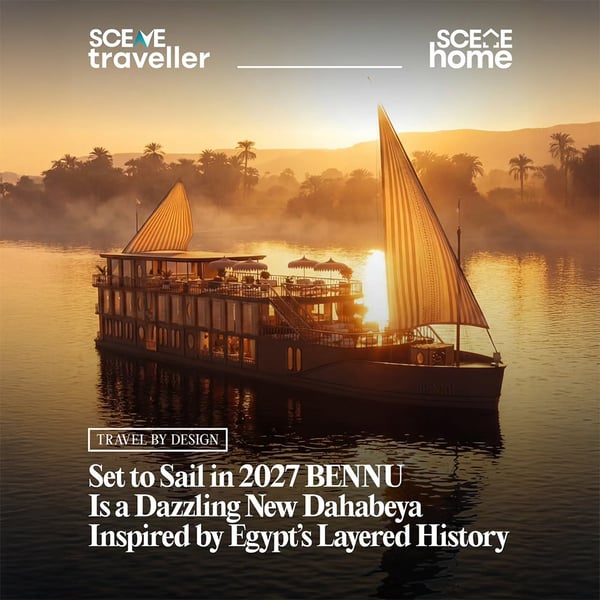
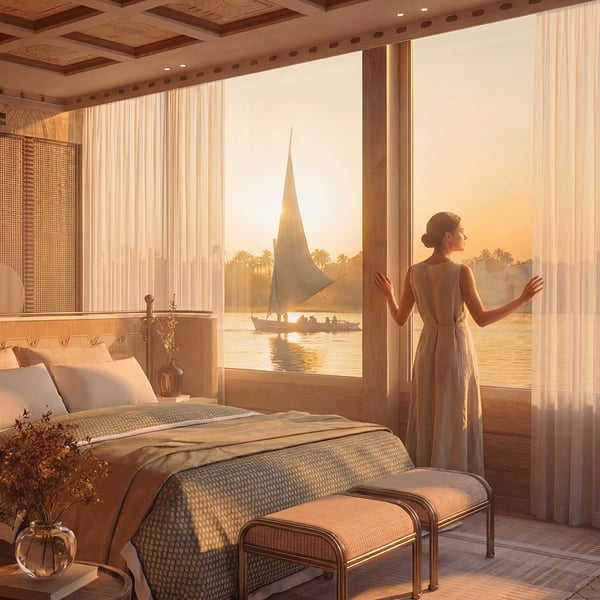
Set to sail the Nile in early 2027, BENNU Dahabeya is Mohamed Fares's most intimate act of cultural authorship to date. Designed in collaboration with Alchemy Studio, the vessel traces Egypt's civilisational depth across four rooms and four suites each a distinct chapter, moving from Pharaonic origins through Coptic, Ottoman, and contemporary expression. The journey is not linear; it is cumulative, inviting guests to experience the same river through entirely different tongues with every return. The interiors were built almost entirely by hand. Carpenters, blacksmiths, textile artisans, potters, and craftspeople worked in close collaboration with Fares to produce objects that carry the subtle irregularities of human making a deliberate resistance to the uniformity that has come to define contemporary hospitality design. For Fares, the Nile is not a backdrop. It is a living palette its textures, shifting light, and rhythm of movement woven directly into the design language of the vessel. BENNU Dahabeya is an attempt to tell Egypt's full story, in its own voice, built and shaped entirely from within. Read the full story at the link here.
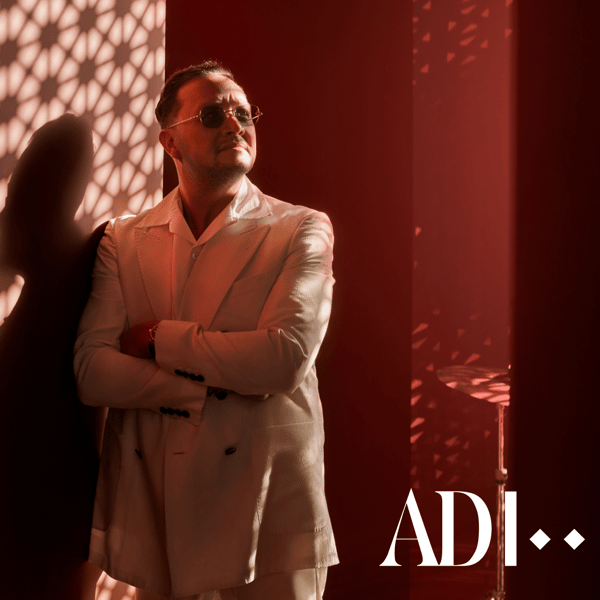
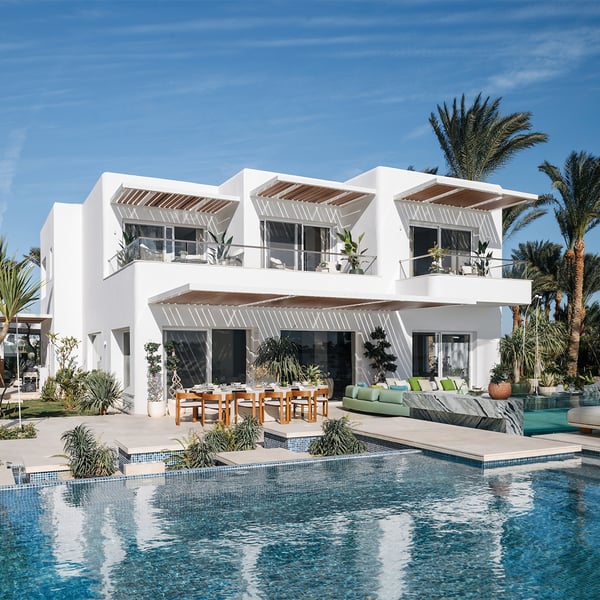
Mohamed Fares has been recognized in AD100 2026: The Best Designers in the Middle East and North Africa, highlighting influential practices shaping contemporary design in the region.This recognition celebrates a multidisciplinary approach that blends architecture, interiors, and experiential design into cohesive narratives. Each project is guided by restraint, atmosphere, and purpose, often translating cultural references into modern spatial expressions. The work continues to evolve through collaboration, experimentation, and a strong connection to context. The inclusion in AD100 2026 underscores a growing regional and international presence, with future projects continuing to explore design as a cultural and emotional medium.
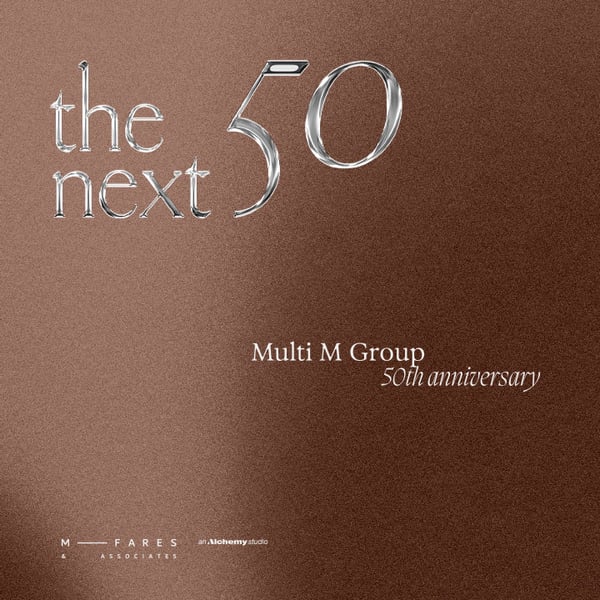
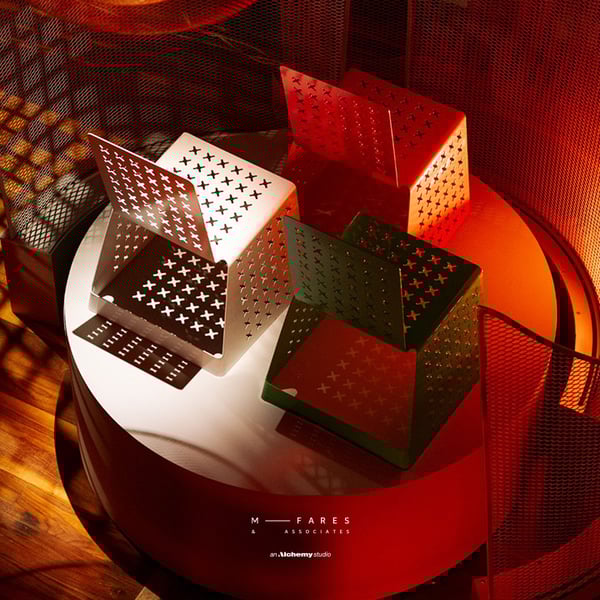
Guided by the theme The Next 50, the experience introduced guests to a chronological “Walk of Time,” where each decade was brought to life through distinctive metal installations, lighting, and digital content. Sculptural structures reflected industrial beginnings, engineering advancements, refined craftsmanship, and the rise of digital design culminating in an immersive future focused environment highlighted by curved LED screens and a metal-mesh veil. The journey was framed by a dramatic entrance installation, mirrored pillars, and an interactive outdoor 50 years marker. The event celebrated five decades of mastery while projecting Mohm’s bold vision for the decades to come.
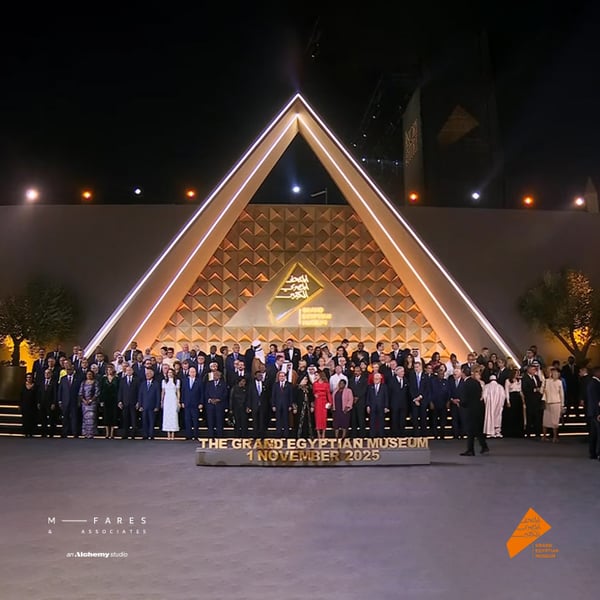
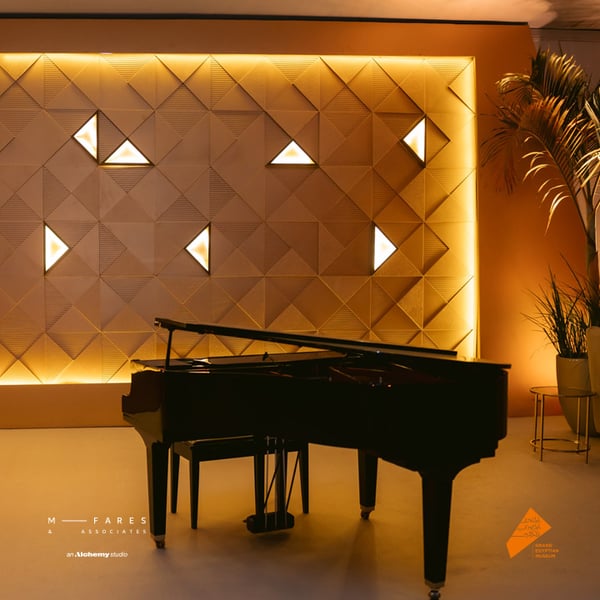
For the Grand Egyptian Museum’s opening ceremony, Mohamed Fares of Alchemy Group led the spatial experience and interior design, shaping a refined and emotionally resonant journey for distinguished international guests. His work balanced historical references with contemporary elegance, crafting a cohesive environment that celebrated Egypt’s cultural depth. Fares also designed the official invitation for the ceremony, mirroring the architectural language and spirit of the museum. This piece set the tone for the immersive experience that unfolded on site. Together with Mohamed Attia, the production integrated atmosphere, sound, scent, and movement. The ceremony stood as a powerful expression of Egypt’s creative capability on a global stage.
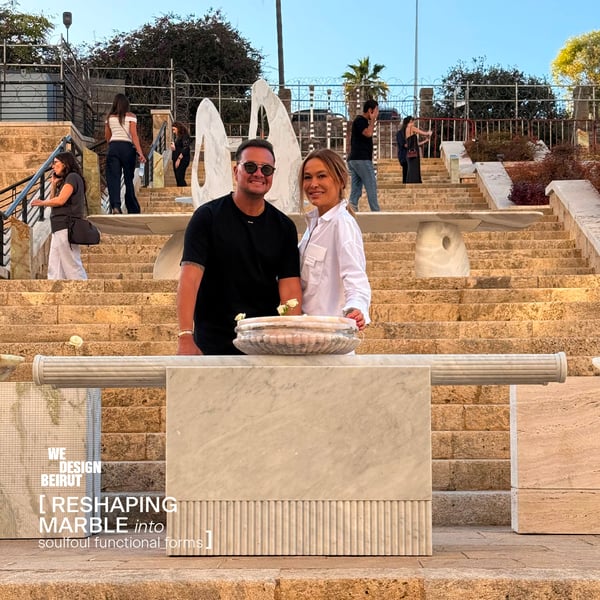
Mohamed Fares presented The Living Springs at We Design Beirut, an installation where architecture, ritual, and nature converge in a contemporary interpretation of healing spaces. Set within the Roman Baths of Beirut, the work explores longevity and renewal through three sculptural stone forms that stand independently yet flow together in one immersive journey. Carved from natural marble, each element transforms the ancient site into a sanctuary of sound, scent, touch, and reflection. The installation channels a dialogue between past and future, inviting visitors into a quiet moment of connection within the city’s historic heart. The Living Springs reinforces the role of design as a vessel for collective well-being and cultural continuity.